Bridging the gap between intensity and data through the frictionless design of GSYNC
OVERVIEW
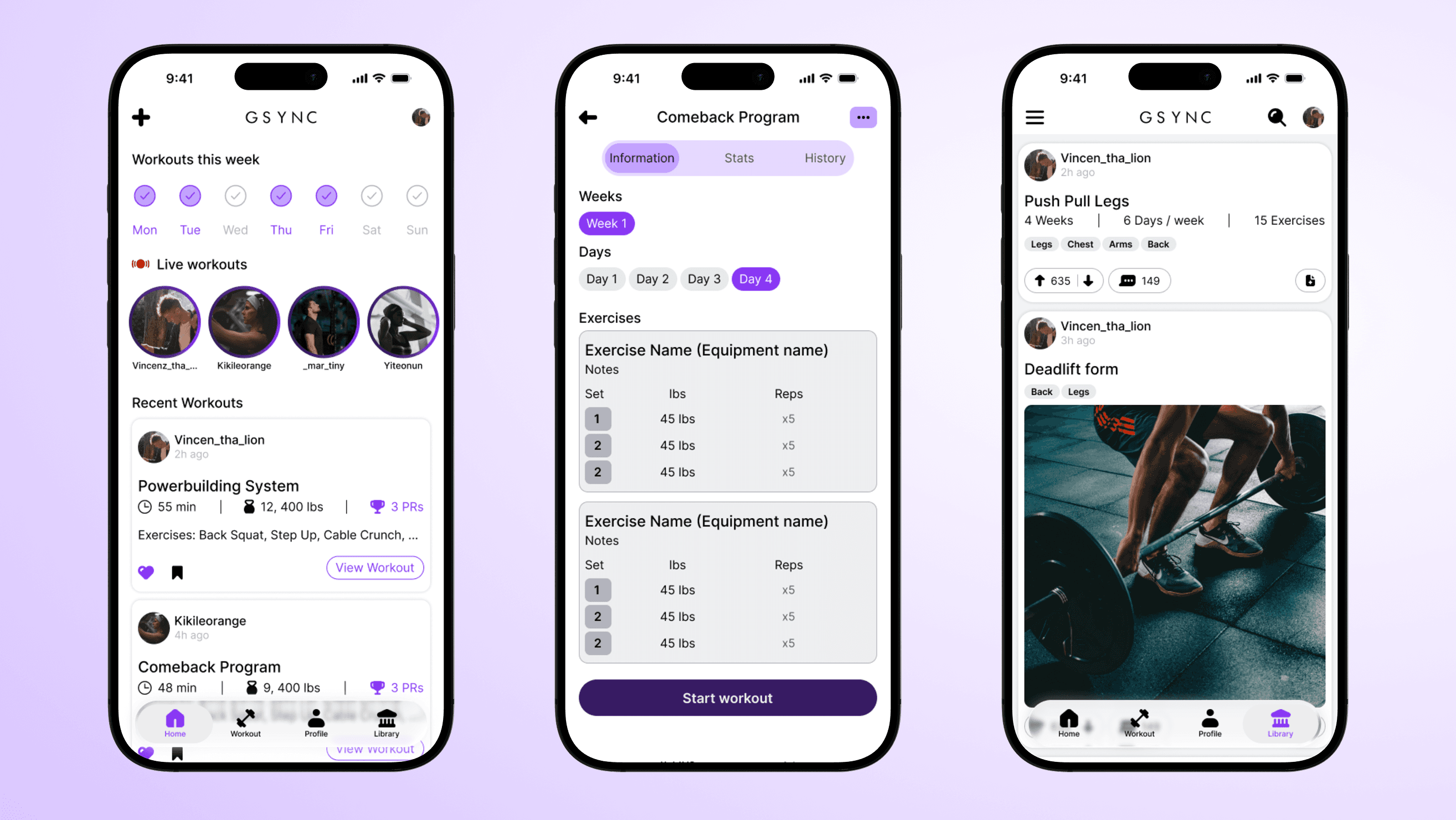
I designed an end-to-end mobile application that eliminates tracking fatigue for dedicated lifters by replacing high-friction manual logs with a frictionless, utility-first experience.
Role
Solo UX/UI Designer
Timeline
July - September 2024 (12 weeks)
PROBLEM
Gym regulars rely on memory and fail to track their workouts
An overwhelming majority of fitness enthusiasts use fragmented systems or fail to track their resistance training. The overwhelming cognitive load of mental inventory, as well as the high friction of existing apps fail to integrate as useful tools towards fitness progress.
Solution
Flexibility and integration is key
1
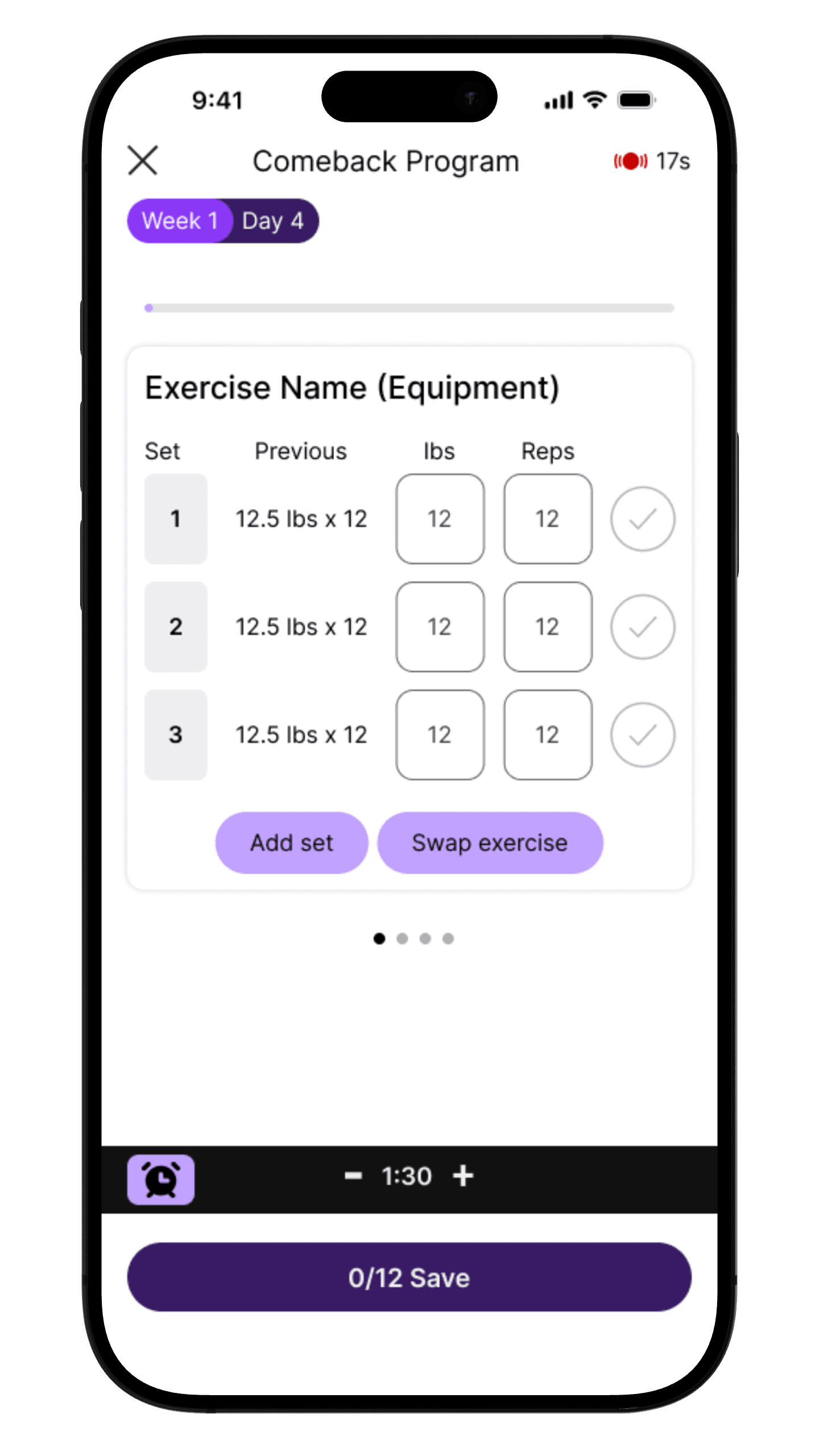
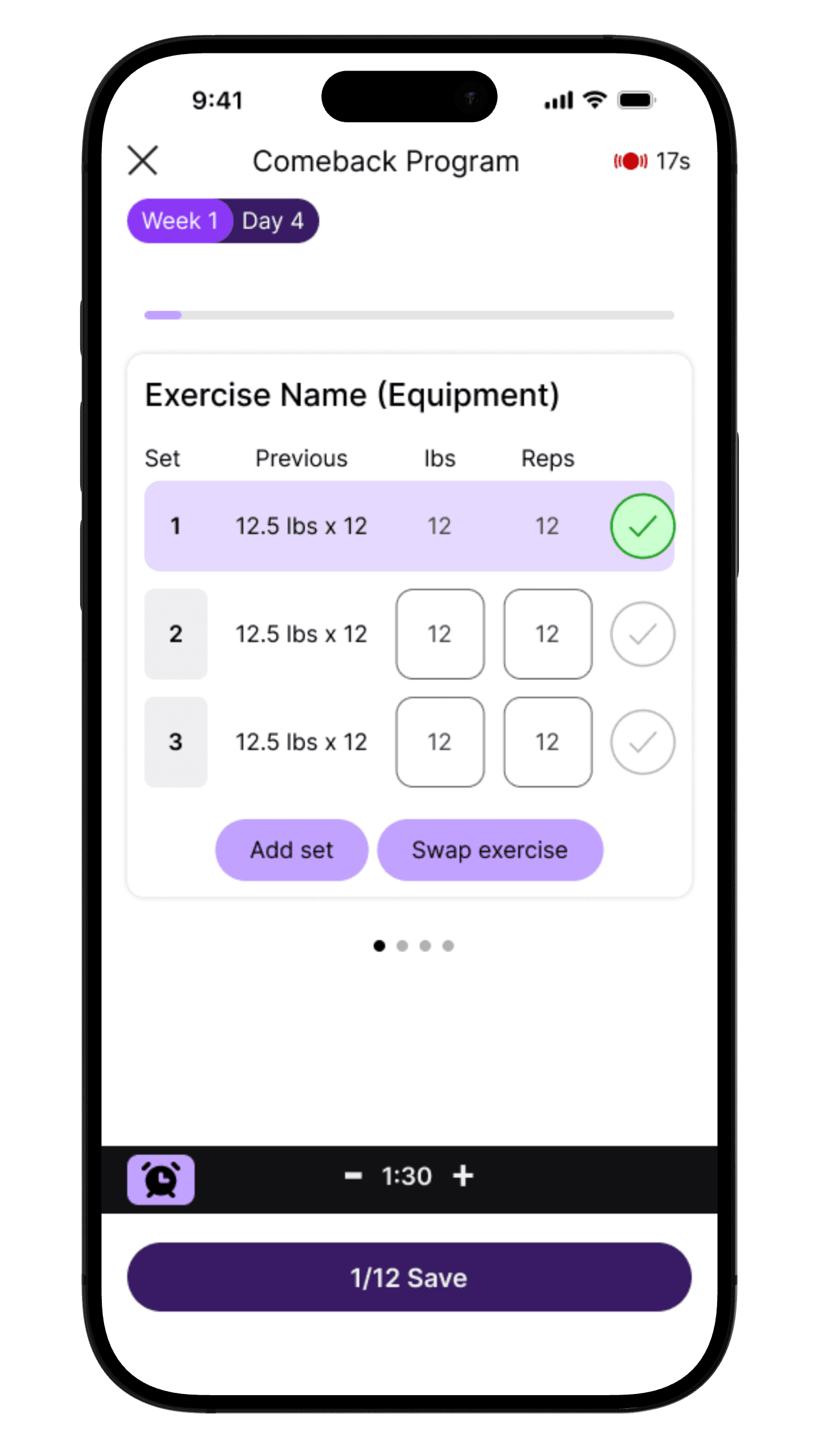
Frictionless Live Tracker
Large low-tap targets
Audio and vibration rest timers
Displays only critical metrics
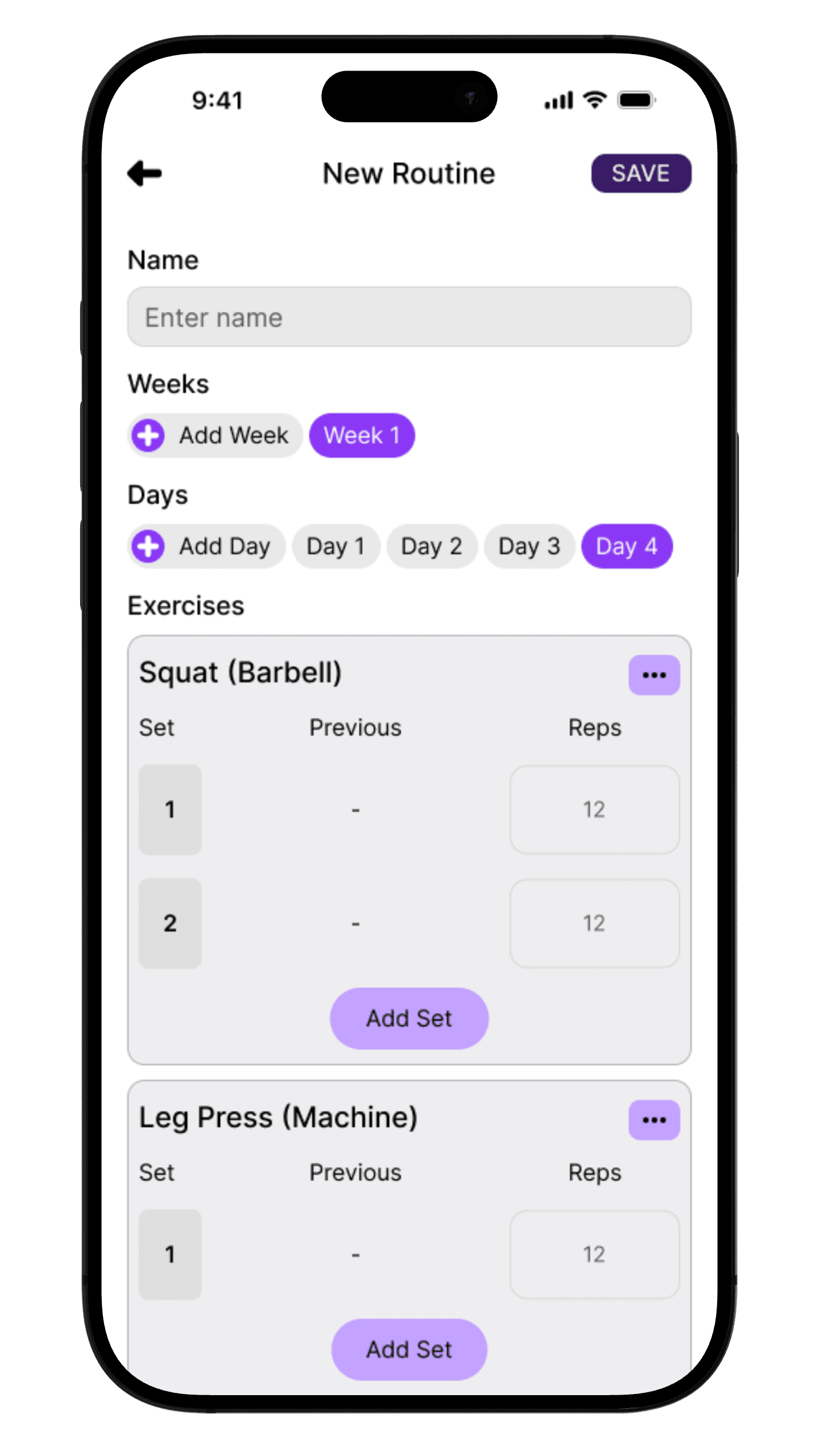
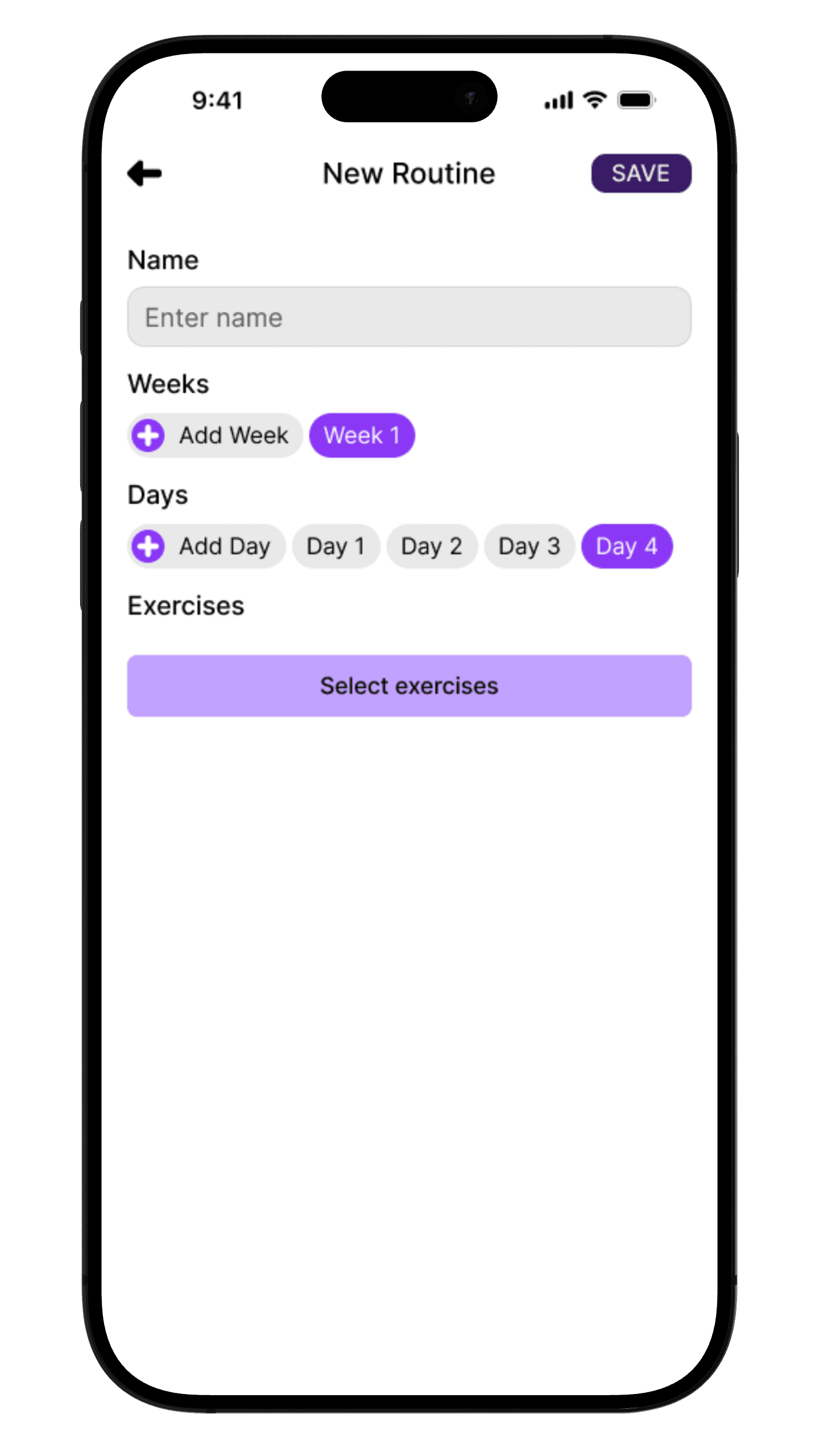
Dynamic Exercise Builder
Quickly select movements
Suggested variations based on equipment
Automatically calculates weights
2
3
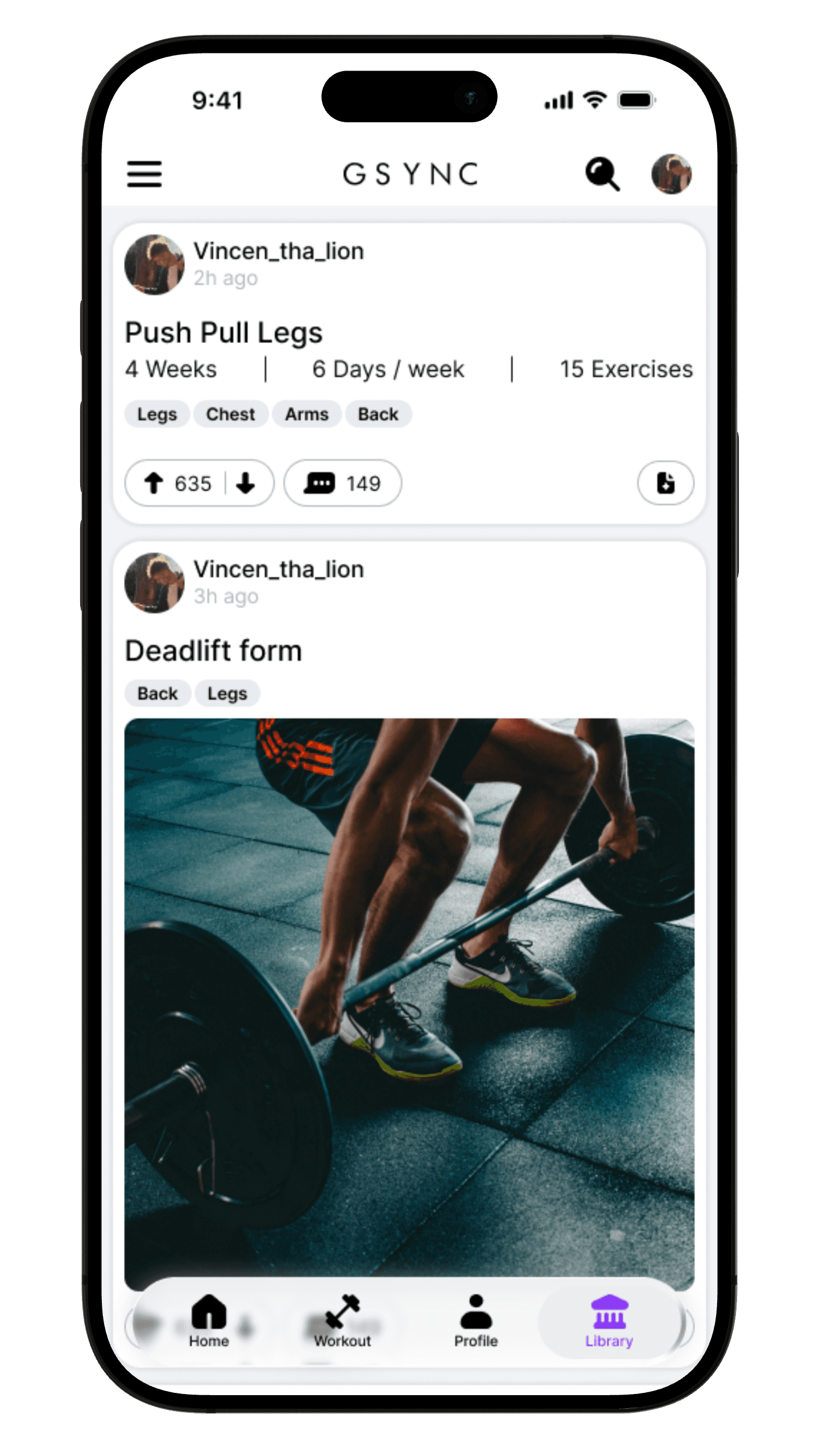
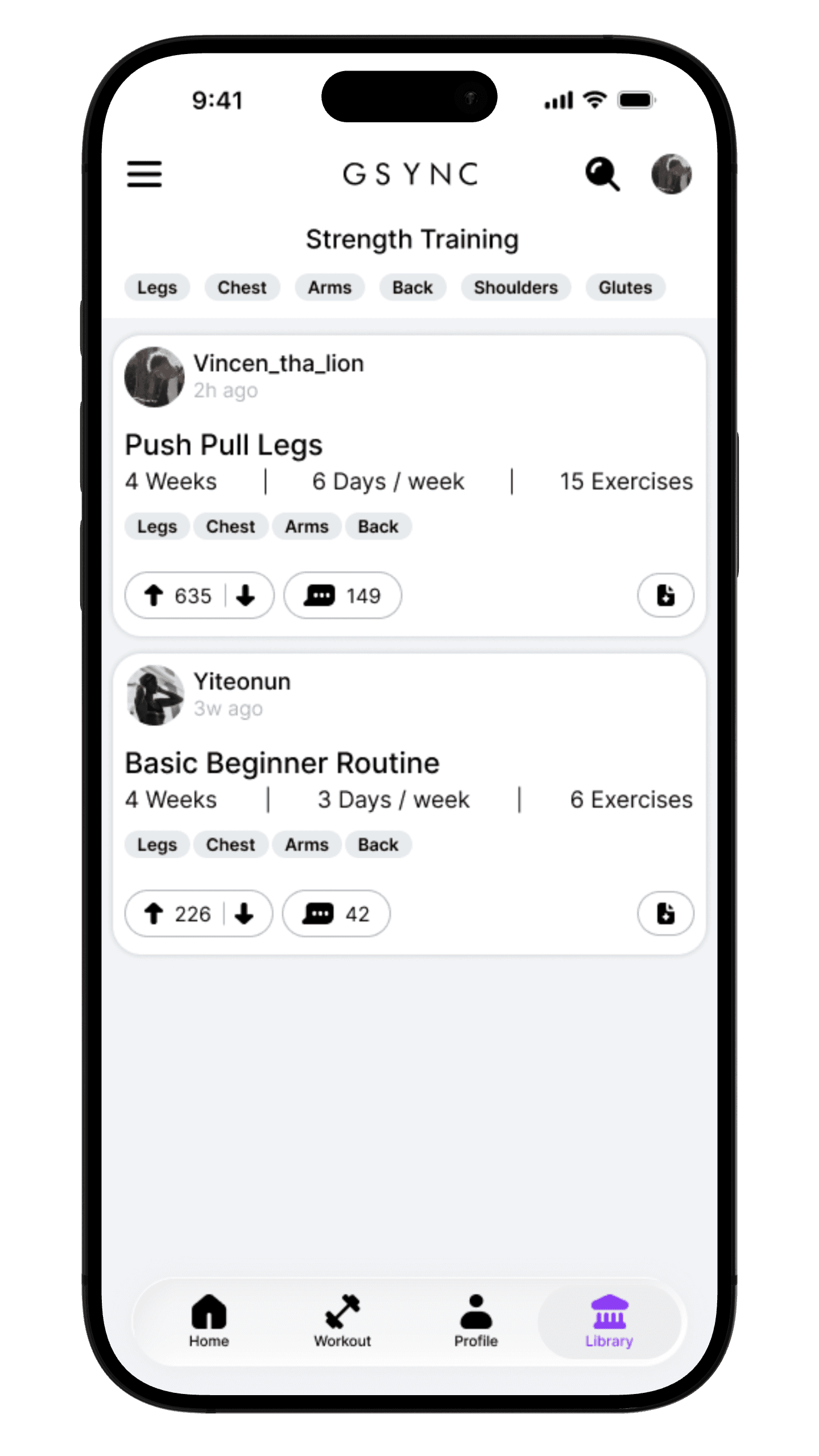
Social Learning
Research identified that users learn primarily through visual media
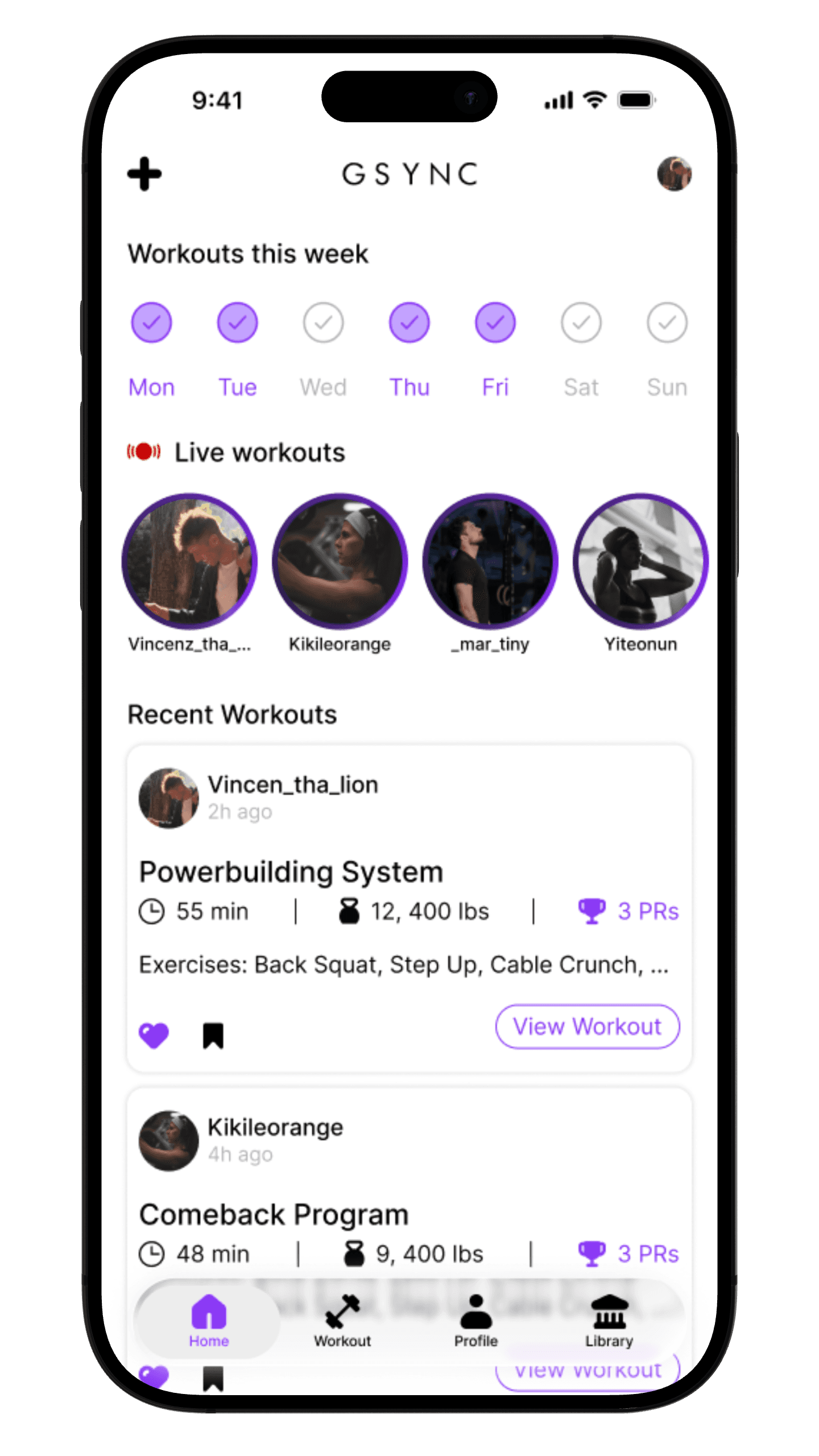
See what other workouts are being used
Library of exercise form explanations
competitive analysis
Competitors are cognitive heavy, not integrated companions
Looking at four of the highest rated apps, I found they offer great tracking data, but fail to be adaptable and easy to use.

Fitbit

Myfitnesspal

Nike Training
Apple Fitness
user interviews
Strength trainers want the results of structured training without the cognitive load of tracking
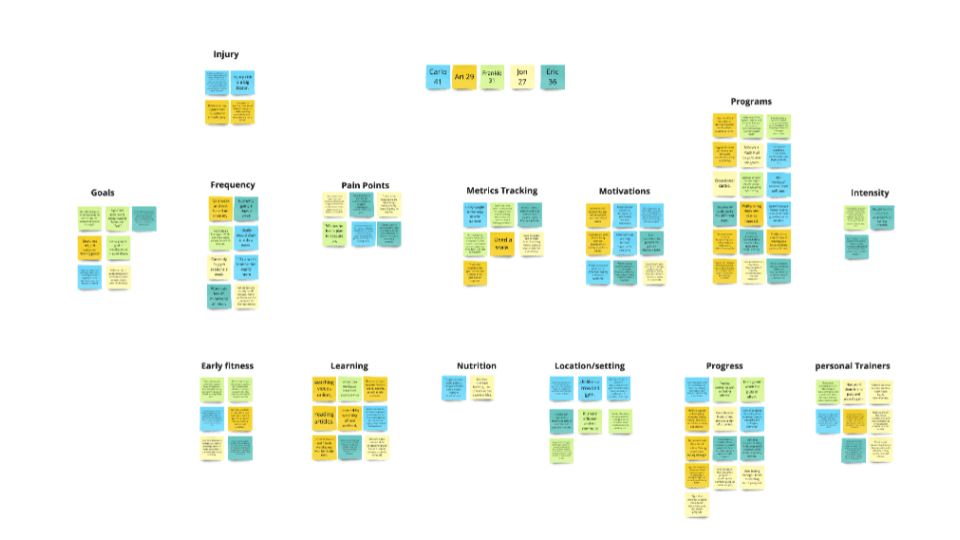
I interviewed 5 active strength trainers to try and gather qualitative insights about their tracking habits, how they program workouts, goals, and how they learn.
Research questions:
How do you track your workout progress?
How do you define success and make progress?
How did you learn about your workout programs?
What are the obstacles that get in the way of progress?
What sustains your motivation to continue lifting?
The main insight
My interviewees ditch tracking because the cognitive friction competes with their workout intensity
Based on the trends in my affinity map, I've noticed that none of them track their workouts, all learn through visual media, and they rely on subjective and visual identifiers for progress.
Cognitive overload
Physical exertion significantly lowers cognitive capacity.
They will abandon any tool if it requires too much thinking.
Users want minimal contact with the app while logging info.
Subjective progress
They measure success through how they feel and look.
Social validation matters more than metrics.
Visual media dominates the learning space.
Dynamic routines
Almost all participants rarely follow static routines.
They curate custom routines from various social sources.
They all want the flexibility to swap exercises based on equipment availability and gym crowds.
the intuitive lifter persona

28 Years Old | Account Executive
User Story
Hi! I'm Ari. I was an athlete in high school and transitioned to the gym post-sport. I like to focus on bodybuilding and resistance training. Usually I don't follow a structured routine, but change it often based on how I am feeling. I have made my routine over time through learning from others in the gym and watching videos online
Goals
Maintain long term injury prevention
Autonomy over exercise routine
Achieve specific visual aesthetics
Motivations
Mental wellbeing
Social Validation
Self competition
Pain Points
Workout tracking feels like a chore that breaks workout flow
Inability to change routine based on a crowded gym or injury
Fragmented learning from multiple apps and sites
Testing + improvements
Three major improvements in my design
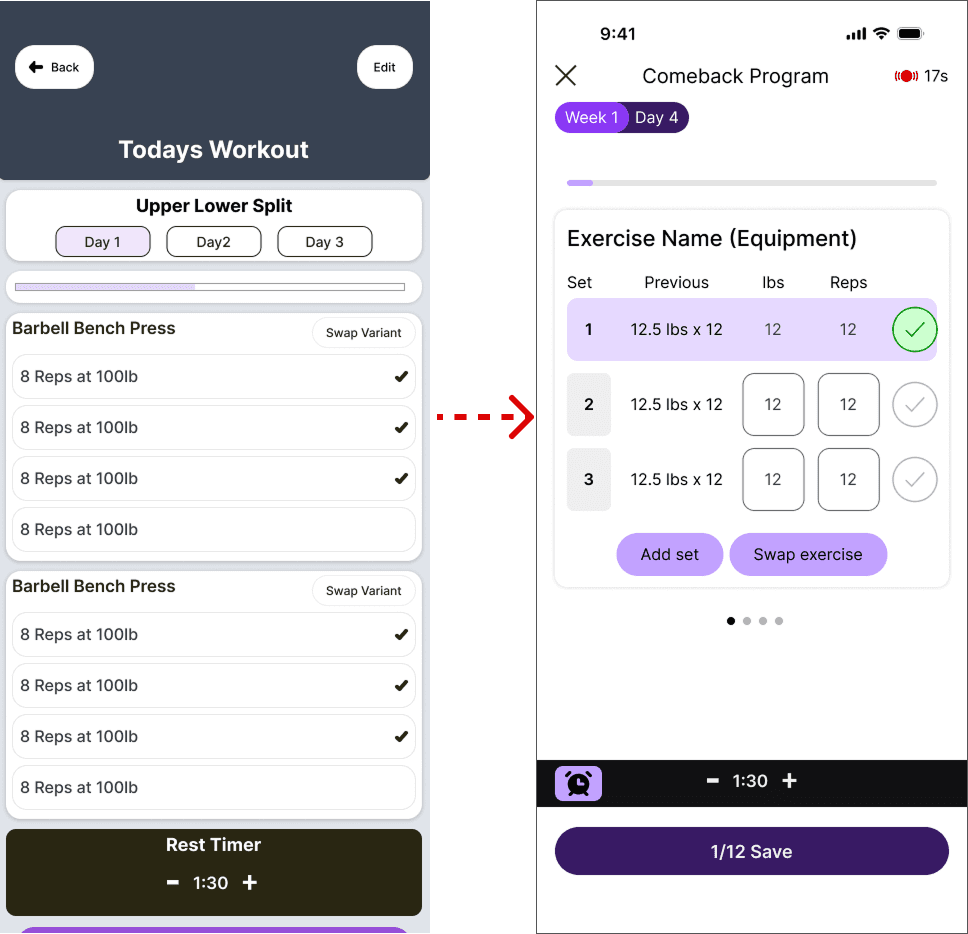
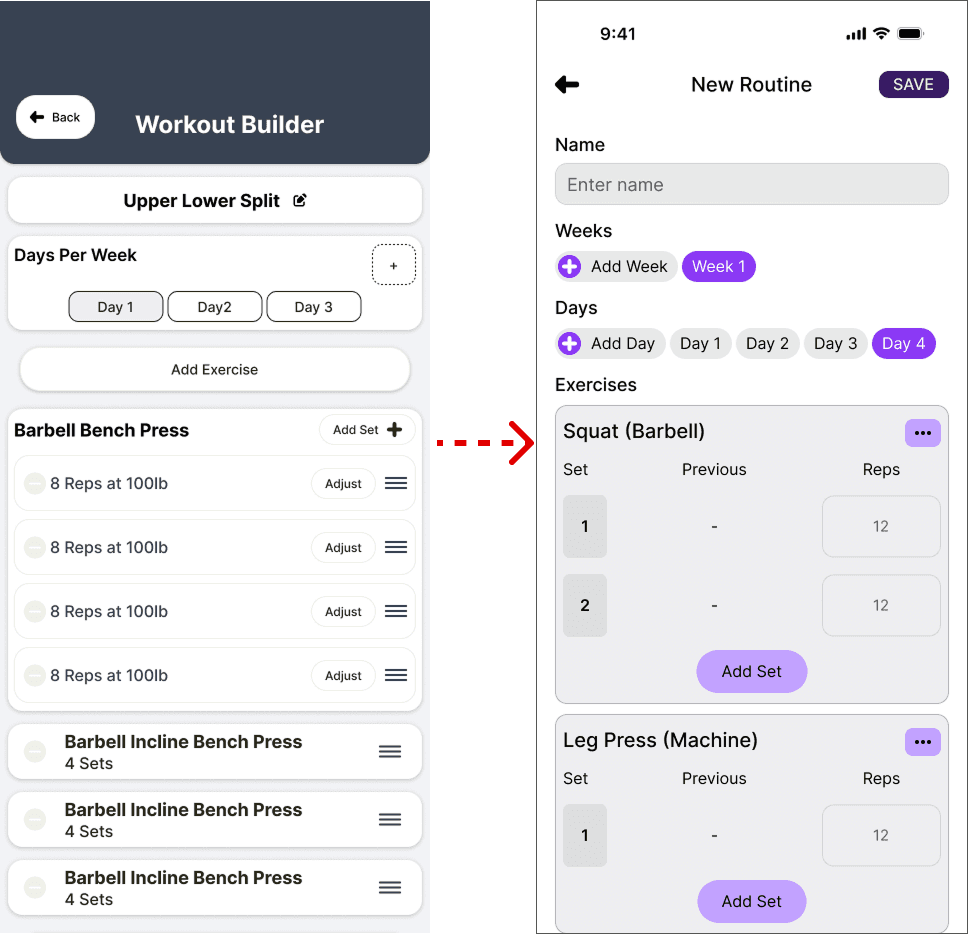
After testing with five participants, I iterated on the design over the next 2 weeks - with 3 major improvements:
1
Enlarged tap targets
Almost all users struggled with the tap targets across the design
Increased all button and tap targets
Aligning with training language
Users felt the term "Workout" was limited to a single session, causing confusion during multi-day planning
Transitioned to "Routine Builder" to match the user's mental model
2
3
Card based triggers
Most users expected the whole workout card to be clickable and ignored the start and edit buttons
I increased the card size and removed the buttons
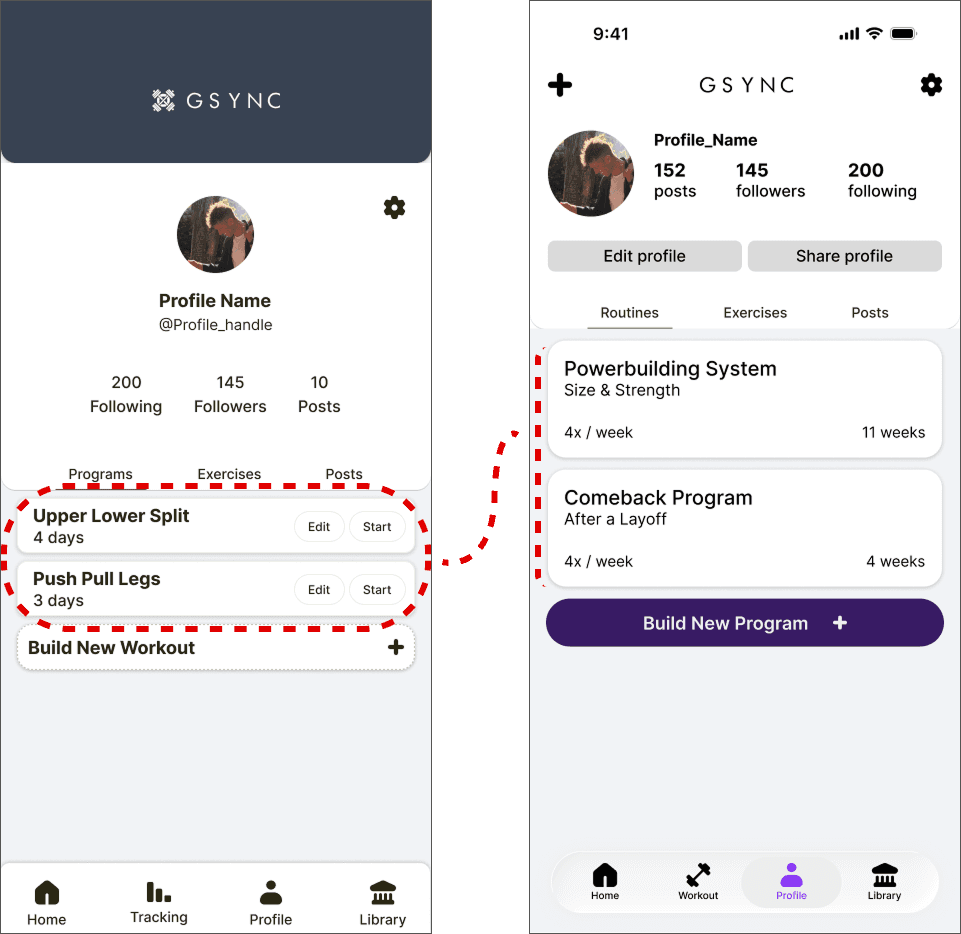
The final screens
The final product
conclusion + lessons learned
Main takeaways from the project
Physical context is the ultimate constraint. Testing revealed that standard tap targets and navigation patterns fail on the gym floor. When a user's heart rate is elevated and their focus is on a lift, accessibility is a matter of safety and speed.
Autonomy drives long-term adherence. Rigid, one-size-fits-all programs lead to abandonment because they don't account for real world variables like crowded gyms or equipment fatigue. Shifting the design from a coach to a construction kit gives users the agency they need to stay consistent. If the project were extended, I would implement an intelligent "Equipment-Swap" feature that suggests alternatives based on real-time gym availability.
Visuals bridge the knowledge gap. Users shouldn't have to leave the app to verify form on social media. Integrating a library of user generated content addresses this "visual-first" learning style identified in research. My next step would be to explore how subjective "feel-based" metrics can be better visualized alongside raw data to give a more holistic view of progress.
© 2026 Vincenzo Stornaiuolo. All Rights Reserved.